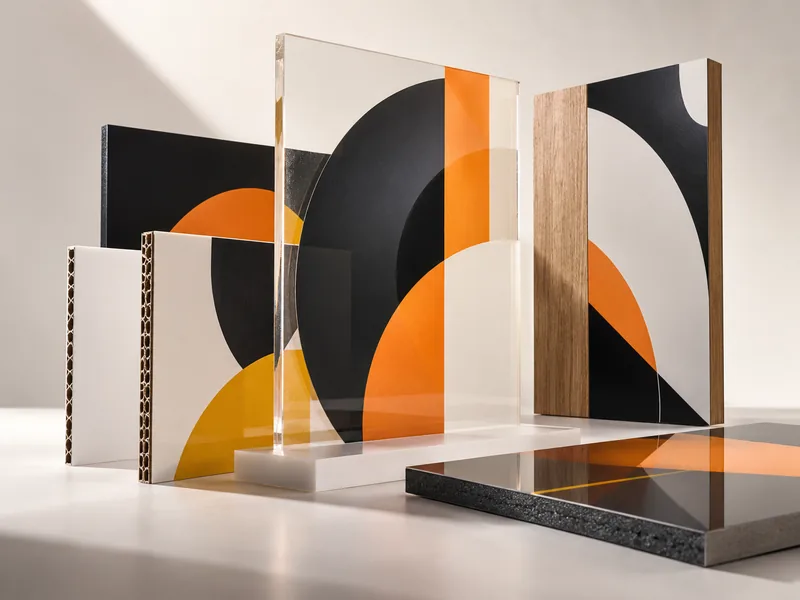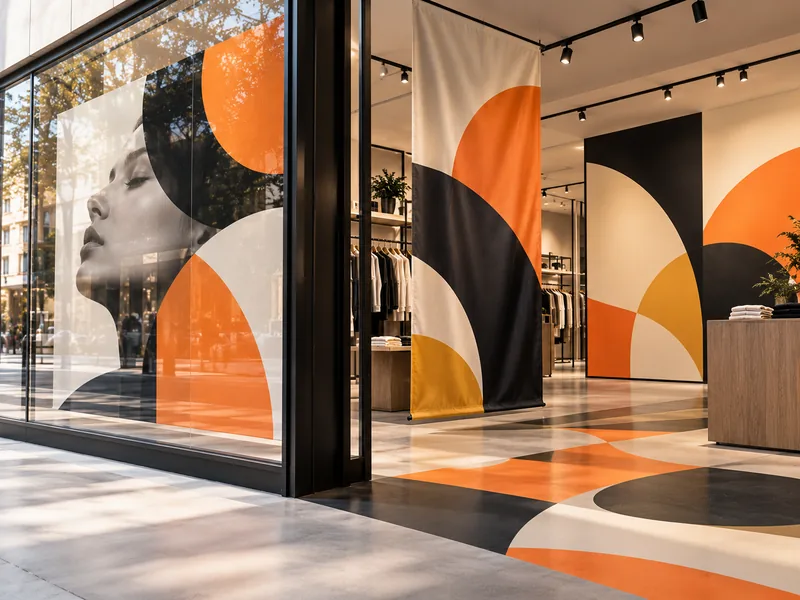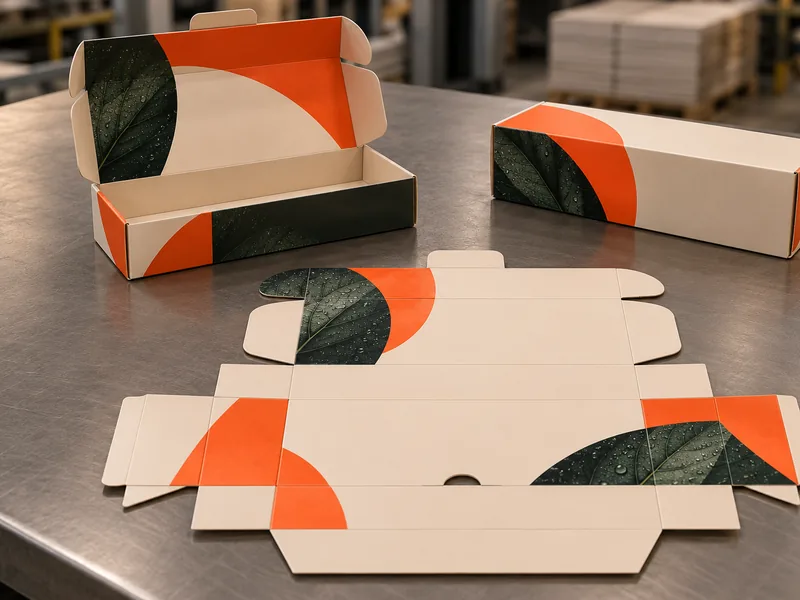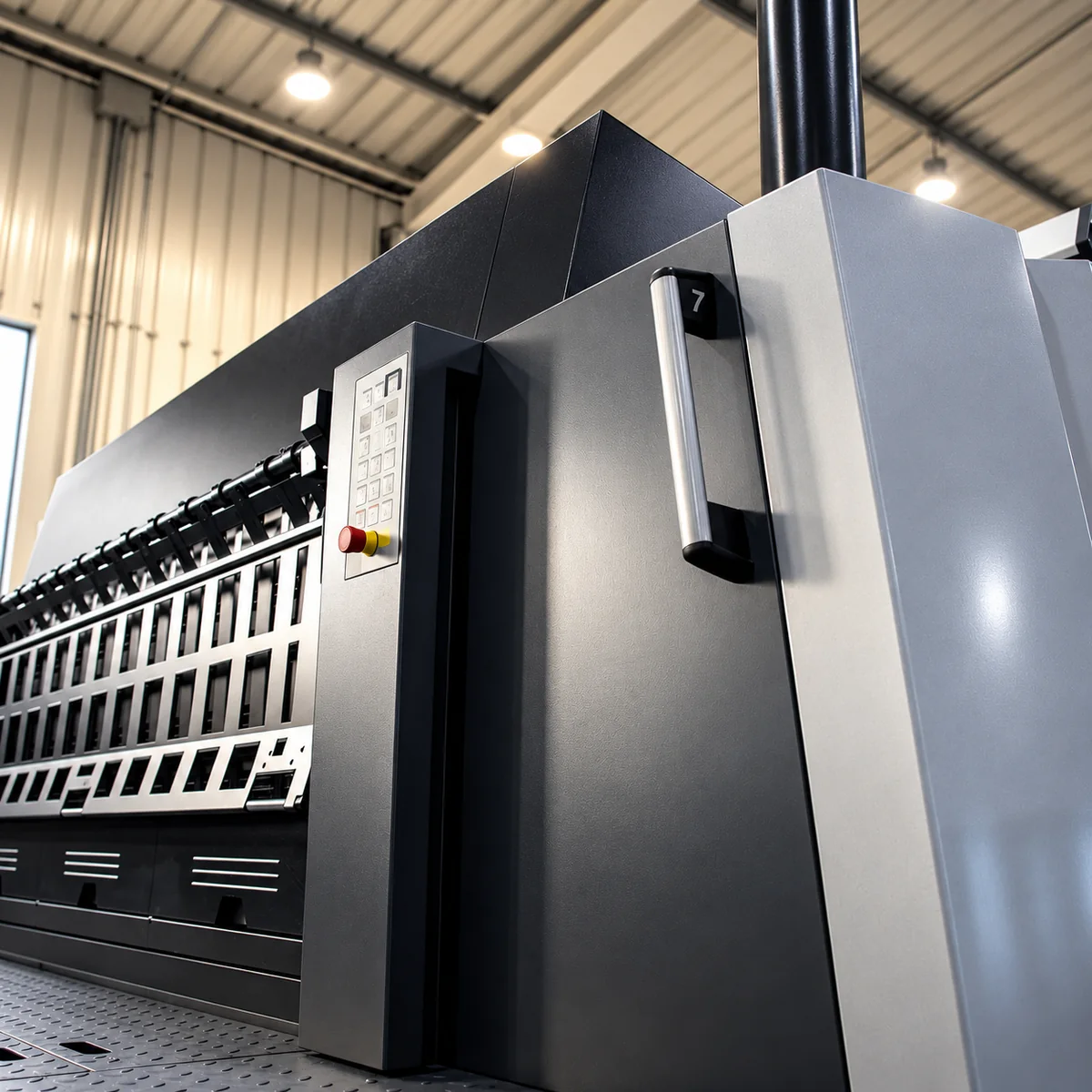
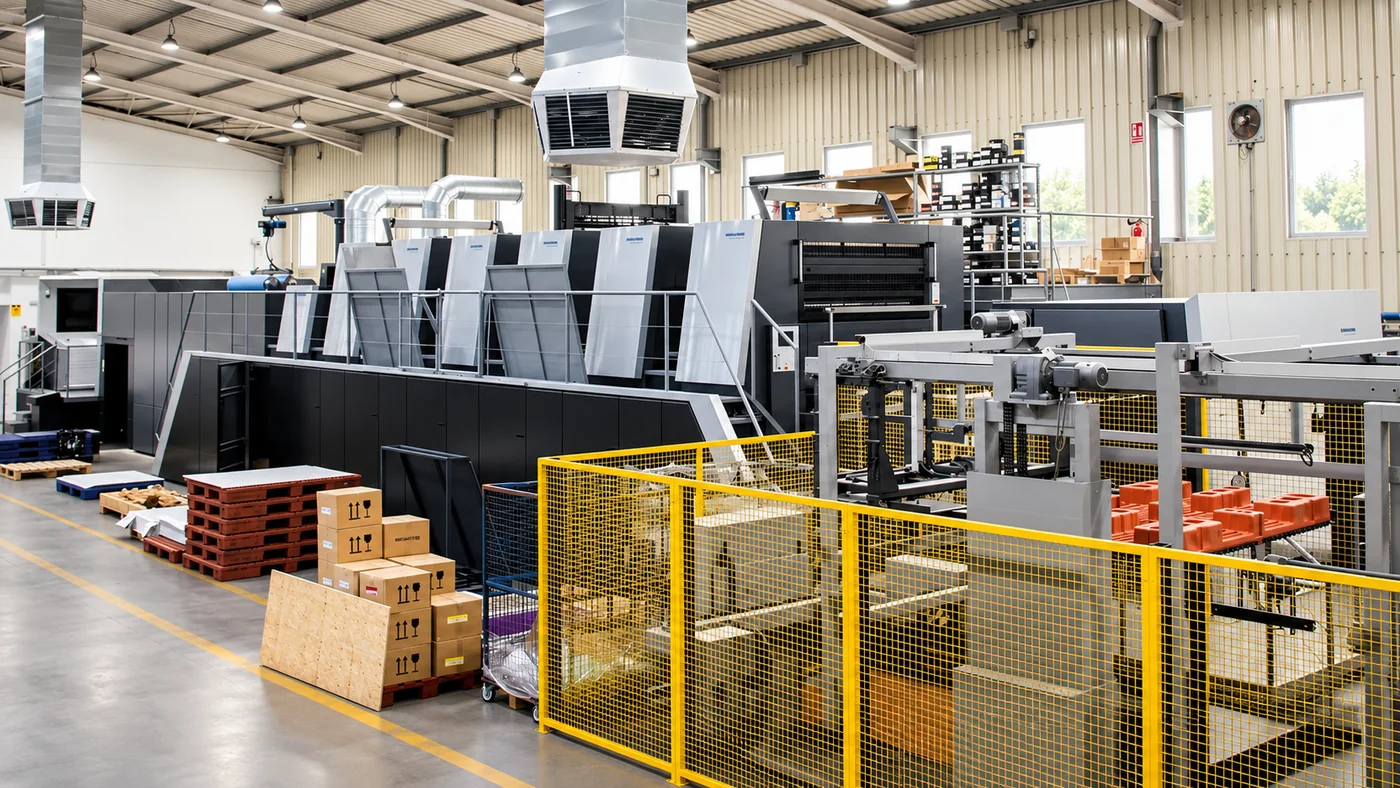
Offset tends to be associated with paper and long runs. That is true, but it only tells part of the story. On our Heidelberg Speedmaster XL 162-6+LX, unique in Europe for its level of technology and speed, a job can run on a 630 × 860 mm sheet or a 1620 × 1210 mm one, on thin paper or 1.6 mm rigid board, with conventional or UV ink. That range lets us handle in offset the kind of work that would normally force a switch to another printing process.
Heidelberg devoted its press release «Una gran máquina. Una gran empresa: SITTIC» (A great machine. A great company) to SITTIC and this press.
From medium sheets to large format
Sheet sizes run from 630 × 860 mm to 1620 × 1210 mm. At the lower end of the range we produce standard-sized pieces. At the upper end, a single sheet can carry many pieces at once or one large piece in full, with no need to split it and join it back together later.
On long runs, sheet size also shows up in the cost. The more units fit on each sheet, the fewer sheets you need and the better the make-ready is spread across all of them.
Paper, board and plastic
The press handles substrates from 0.06 to 1.6 mm. That range covers papers, paperboards and kraft, as well as rigid boards up to 1.6 mm, which we print on directly instead of mounting a printed sheet onto them afterwards. And with UV inks we print directly onto plastic.
- Paper
- Paperboard
- Kraft
- Rigid board up to 1.6 mm
- Polyester
- Silver polyester
- PVC
- PET
- Polypropylene
Silver polyester, for instance, lets you print on a metallised surface and use its shine in the piece itself, which is very useful for packaging and POS material that needs to stand out.
Conventional or UV ink
We choose the ink according to the substrate and to what the piece has to withstand.
Conventional ink
The natural choice for paper, paperboard, kraft and board, substrates that absorb some of the ink.
UV ink
It does not dry by absorption but is cured by ultraviolet light on the press itself. That is why it can print on plastics and other non-absorbent substrates, and the sheet comes off with no drying time.
Three varnishes and coatings for three needs
Coating protects the print and changes how the piece looks and feels. We work with three:
Press varnish
Applied from one of the printing units, just like another ink. It protects the print and can be restricted to specific areas.
Aqueous (acrylic) coating
Water-based and applied in the coating unit in the same pass. It dries fast and protects against scuffing.
UV coating
Applied in the coating unit and cured with ultraviolet light. It delivers the highest gloss and the toughest surface.
The choice depends on how the piece will be used. One that will be handled a lot needs durability; one that has to catch the eye needs gloss. We decide it with you before printing.
Offset or digital: when each one makes sense
Offset
Medium and long runs, consistent colour from the first sheet to the last, and a unit cost that falls as quantities rise.
Digital
Small quantities, prototypes and versions, or pieces on substrates up to 5 cm thick. No plates and no make-ready.
Many projects combine the two: the main run in offset and the short series or one-off pieces in UV digital printing, with the same colour standard.
In-house CTP: plates made on site
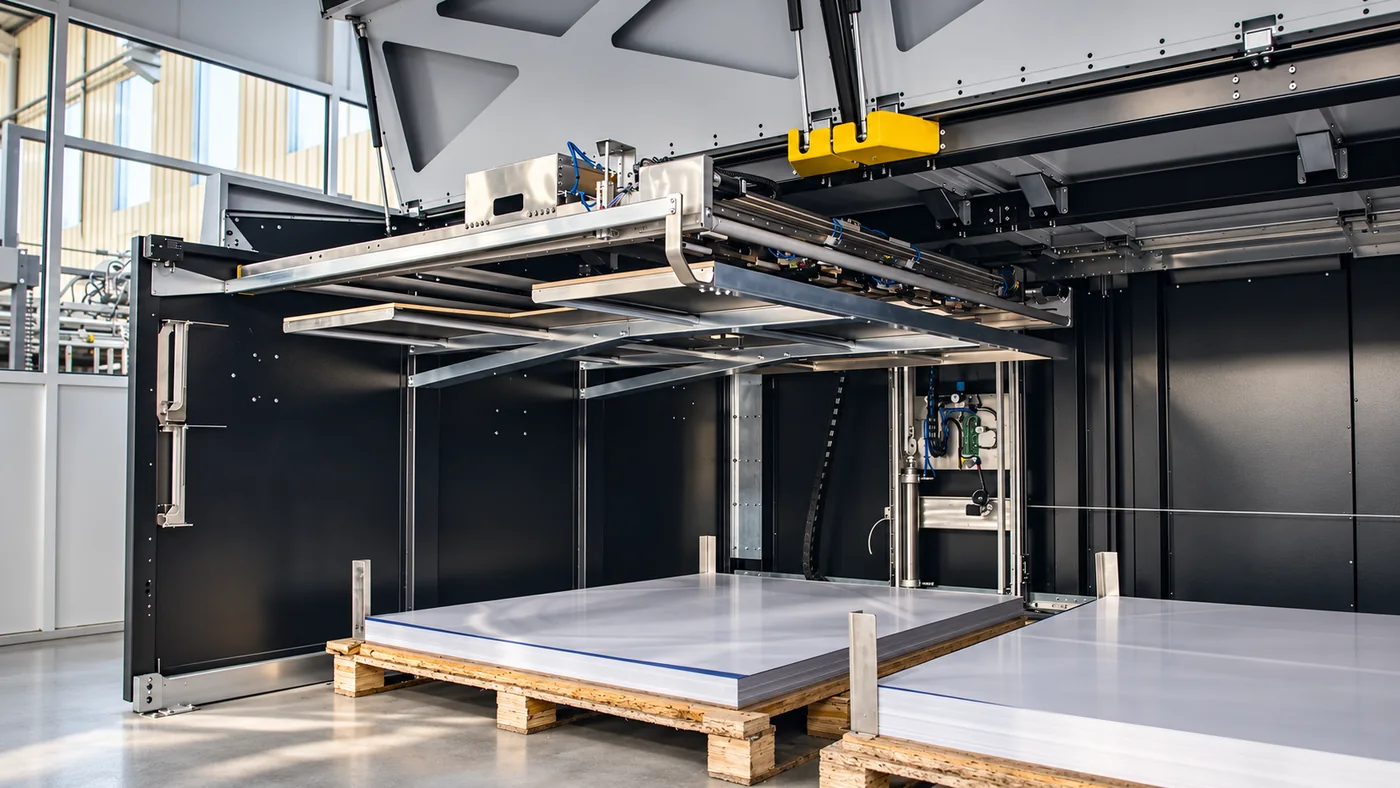
In offset, every colour of every job needs its own plate, and that plate determines whether the image is reproduced exactly as approved. We image them on our own CTP, a large format Heidelberg Suprasetter built for the Speedmaster XL 162 plates. The file is written straight onto the plate by laser, with no intermediate film.
Having it in the same plant where we print gives us speed, because we do not depend on third parties or transport: according to the manufacturer, it images at least 15 plates an hour at maximum format. It also gives us control: when a job is repeated, the reprint matches the first run.
Before imaging, colour is handled in prepress: profiles, standardisation and control of colour reproduction, with colour proofs that can be certified to FOGRA 39.
After the press
The sheet can then move on to finishing such as lamination, mounting or die-cutting, and to hand finishing and assembly.
If you are a printer, agency or print broker, you can hand us a single stage or the whole project. We work in strict confidence and with full respect for your client: your client stays yours, and our brand never appears where it should not.
How to request a quote
Tell us the format, substrate, number of colours, quantity, coating or finish and deadline. If you have the files, send them over. We reply and quote as fast as we produce.
Frequently asked questions
Can you print offset directly onto plastic?
Yes. With UV inks we print directly onto polyester, silver polyester, PVC, PET and polypropylene.
What are the minimum and maximum sheet sizes?
From 630 × 860 mm to 1620 × 1210 mm, on our Heidelberg Speedmaster XL 162-6+LX.
What substrate thickness can the press handle?
From 0.06 to 1.6 mm: from thin paper up to 1.6 mm rigid board, which we print on directly.
Do you have your own CTP?
Yes. We image our plates on our own CTP, a large format Heidelberg Suprasetter, in the same plant where we print.
What is the difference between press varnish, aqueous coating and UV coating?
Press varnish is applied from a printing unit, like an ink, and can be restricted to specific areas. Aqueous and UV coatings are applied in the coating unit: aqueous coating is water-based and dries fast, while UV coating is cured with ultraviolet light and gives more gloss and durability.
Do you print for other printers?
Yes. We print for printers, agencies and print brokers, for a single stage or the whole project, in strict confidence.